Application Intake
Capture vehicle, axle, OE reference, and observed service condition before a brake pad or rotor request turns into a vague SKU search.
Centric service support is built for teams that must connect Brake System Components to real vehicles, counter questions, and replenishment schedules. Rather than treating support as a generic contact path, the workflow concentrates on application details, cross-reference notes, and the commercial timing behind each request.
Parts distributors can use the process to prepare counter-ready answers for pad, rotor, caliper, shoe, hose, and hardware inquiries. Fleet teams can organize a replacement plan around the vehicles in service, the axle positions in question, and the intervals that matter to workshops. Catalog teams can send structured updates when new vehicle coverage, fitment notes, or replacement patterns need review before publication.
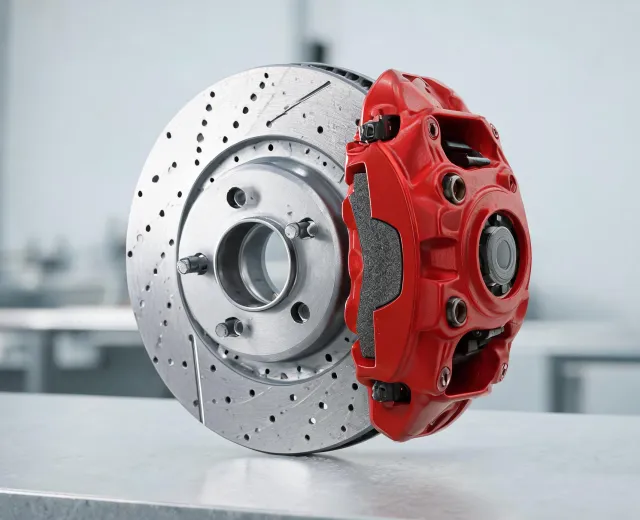
The service model gives each buyer type a practical lane without changing the underlying commitment: accurate application context, traceable production notes, and quote-ready documentation for professional aftermarket supply.
A regional distributor may receive a technician request that starts with an OE number and a description of rotor wear. Centric support treats that as useful context, not noise. The intake captures vehicle application, position, pad expectation, rotor finish preference, and any connected hose or hardware need before the quote is returned to the customer-facing team.
That structure matters because brake programs fail when information becomes fragmented between the service bay, the parts counter, and the purchasing office. By carrying the fitment details forward, the distributor can answer with a clearer part family recommendation, reduce additional back-and-forth, and keep replenishment planning aligned with what actually moves through the counter.
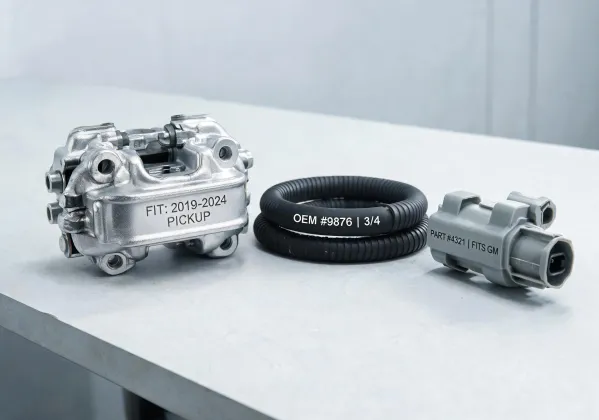
Fleet teams often need more than a single replacement item. They need a practical view of coverage across passenger cars, light commercial vehicles, or mixed service routes where brake wear patterns vary. Centric support helps organize those requests around vehicle groups, replacement intervals, and part families so procurement can see where a standard brake package can be repeated and where application exceptions need extra review.
When the request includes service records, axle position notes, or preferred friction expectations, the quote can be routed with fewer assumptions. That saves time for maintenance planners and supports a more consistent experience for technicians who are trying to keep vehicles available instead of chasing uncertain parts.
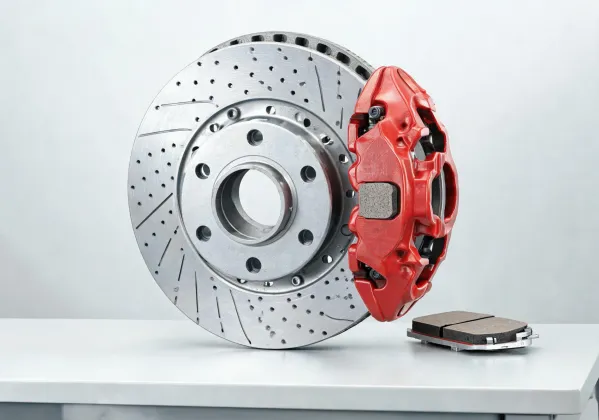
Use the form to share vehicle coverage, expected volumes, cross-reference notes, and any service-bay constraint that affects brake selection. The more context attached at intake, the easier it is to prepare a useful quote pack instead of returning a list of uncertain options.