Fitment confidence
Wrong-part returns consume transport, labor, packaging, and technician time. Centric reduces that avoidable friction by keeping application notes, cross-reference cues, and brake family context attached to the request.
Sustainability for an aftermarket brake program is not limited to a soft environmental statement. For Centric, it begins with disciplined fitment, batch visibility, compliant material expectations, and fewer avoidable returns moving through distributors, service networks, and fleet maintenance programs.
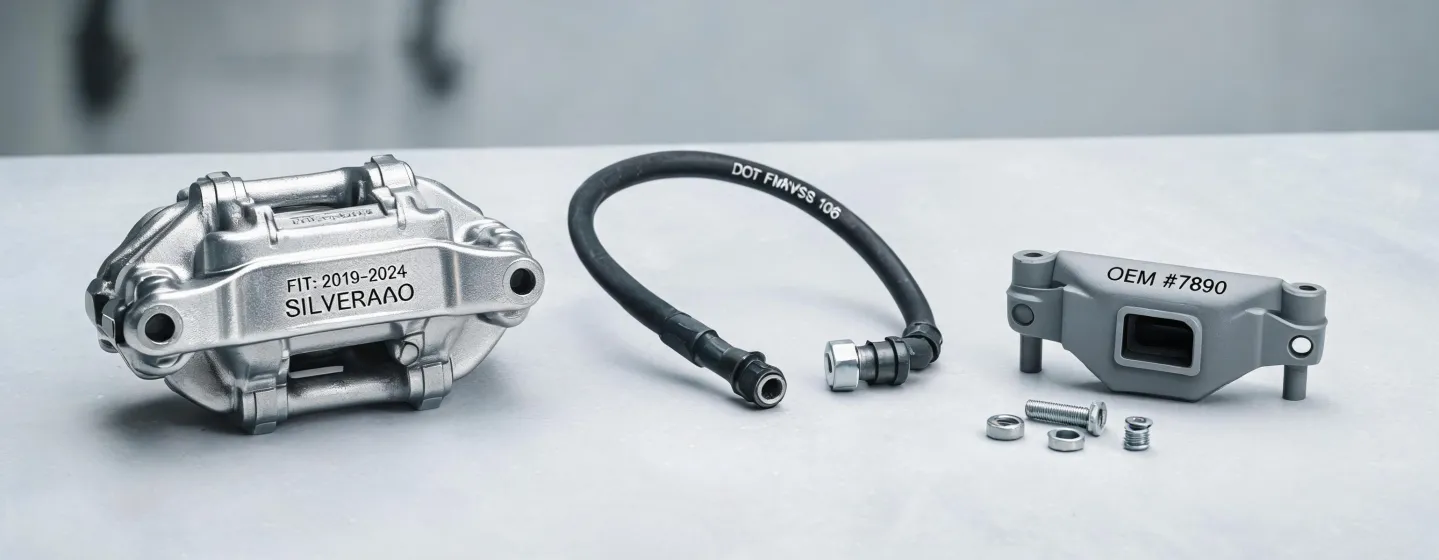
Centric treats brake part responsibility as a chain of practical choices: use fitment checks to reduce unnecessary shipments, align production with documented quality systems, package parts for warehouse accuracy, and support service teams with clear information before a replacement decision becomes a return.
Every brake component request has commercial and operational consequences. These goals keep sustainability connected to the details that distributors and maintenance teams can act on.
Wrong-part returns consume transport, labor, packaging, and technician time. Centric reduces that avoidable friction by keeping application notes, cross-reference cues, and brake family context attached to the request.
IATF 16949-aligned production and full lot traceability help teams discuss quality in a documented way instead of relying on loose claims that cannot support a service or warranty conversation.
Packaging and barcode/labelling support helps distributors receive, store, pick, and replenish brake parts with fewer internal mistakes and less rework around commonly requested components.
The progress indicators below are presented as operational priorities rather than unverifiable public claims. They show where Centric concentrates improvement effort across catalog, production, and distributor support activities.
Centric can help prepare the application, packaging, and traceability context needed for a responsible aftermarket brake part conversation.
Request Documentation Support