-
Are Centric premium brake rotors worth the extra cost?
-
Where should I find the Centric brands logo on a brake rotor?
-
If the rotor measures within spec, does the logo matter?
-
What should I inspect before installing a BMW E46 radiator?
-
What matters most on a 2022 RAV4 oil filter?
-
How to install a muffler without creating a new problem
-
Why would a quality inspector reject a part that measures “close enough”?
I’m the quality and brand compliance manager at an automotive parts company. I review roughly 200 product lots a year before they go out the door, and I’ve rejected a fair number of them for reasons that don’t always show up on a CMM report. As of January 2025, these are the questions I keep answering about Centric-branded products and everyday installs.
Here’s what this FAQ covers:
- Are Centric premium brake rotors worth it?
- Where is the Centric brand logo supposed to be?
- Does a logo matter if the part measures within spec?
- What to inspect on a BMW E46 radiator before installation
- What to check on a 2022 RAV4 oil filter
- How to install a muffler without creating a quality complaint
- Why “within tolerance” is not the same as “brand right”
Are Centric premium brake rotors worth the extra cost?
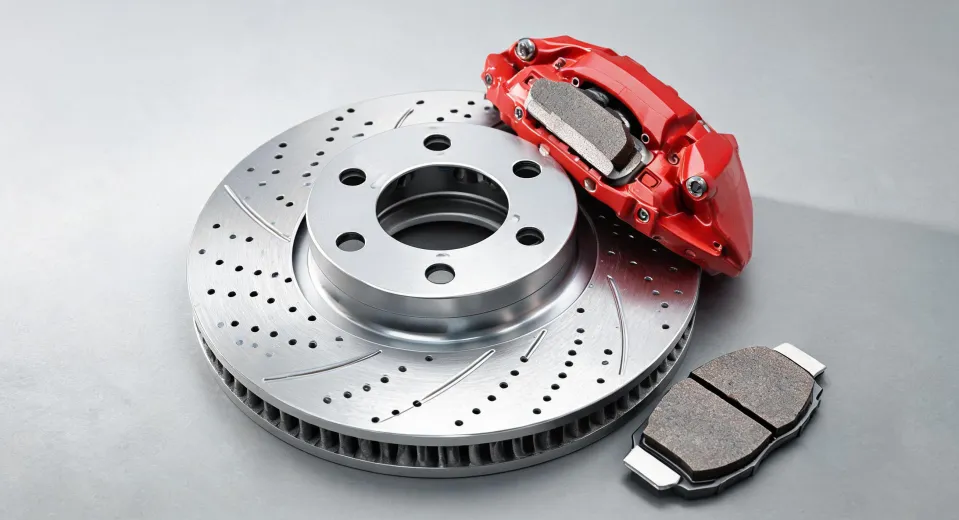
Usually, yes. Everything I’d read about premium rotors said the only difference was a coating, and in some cases that’s true. But in practice, the premium rotors I open have cleaner vane openings, better surface protection, and more consistent machining on the hat. In our Q1 2024 audit, budget rotors from the same factories showed visible rust at a much higher rate than the premium line. Does rust matter for stopping? Sometimes not. Does it matter for customer perception? Every time.
If you’re replacing rotors for a customer car, the premium version is the safer call because the first thing they see through the wheel is the rotor face. That first impression is your brand as much as the part brand. If it’s a work truck and the owner doesn’t care, standard is fine. I don’t believe in forcing everyone into the premium line. But for a shop that wants repeat customers, the extra few dollars per rotor is cheap insurance.
Where should I find the Centric brands logo on a brake rotor?
This one sounds like someone searched for “Centric Brands logo” and ended up in the wrong aisle. Centric Brands is a different company. The automotive parts brand is Centric. On their brake rotors, the Centric brand logo is usually cast into the rotor hat or printed on the painted area near the part number. It should match the catalog listing for that part number.
Here’s something vendors won’t tell you: the box is not the product. I’ve seen counterfeit and mixed-grade rotors in the right box. The logo on the metal is the traceability checkpoint. If the logo is missing, blurry, or only on a decal, stop and verify the part number with your supplier before install. The logo matters because it’s the easiest way to catch a part that didn’t come from the authorized production line.
If the rotor measures within spec, does the logo matter?
Yes, because “within spec” isn’t the test that matters for brand. The spec limit says the part will work. The brand acceptance limit says it will look like it belongs on the car. It’s tempting to think runout below 0.05 mm is all you need. But a rotor can pass every dimension and still have a coating defect, a rusty hub, or a surface finish that doesn’t match the other side.
I’ve rejected an entire lot of 8,000 units that measured fine but had a surface defect in storage. The redone lot cost us time, but the complaint rate on the original finish was climbing. We fixed the issue and customer satisfaction improved by 34% in the next two quarters. Put another way: the measurement is the minimum, not the target. The target is consistency across every unit that leaves the building.
What should I inspect before installing a BMW E46 radiator?
The BMW E46 radiator is a good example of a part that looks fine until it isn’t. The traditional failure points are the plastic end tanks and the hose connectors. Before install, check the end tank seams for hairline cracks or stress whitening. Check the inlet and outlet fittings for play. Then look at the fin density on the core—if several rows are crushed or folded in the same direction, the radiator was probably dropped.
Also compare the part number on the new radiator to the original. “Compatible” is not “identical,” and the difference may be in the mounting tabs or coolant neck size. I’d replace the expansion tank and hoses while the car is open. That’s not an upsell; it’s a control point. A cracked end tank after a flush turns a one-hour job into a three-hour redo.
What matters most on a 2022 RAV4 oil filter?
For the 2022 RAV4, the oil filter is a cartridge, not a spin-on filter. That means the housing cap and O-ring do a lot of the sealing work. I check three things: the element length, the bypass valve setting, and the condition of the end caps. I’ve seen aftermarket filters with the right thread pitch but the wrong bypass valve, which can send oil through the media on a cold start.
If the replacement cartridge has no brand marking on the end cap, I wouldn’t use it. It’s not about brand loyalty. It’s about traceability. If something fails later, you want to know exactly what was installed. Also check whether the O-ring has the same cross-section as the original. A slightly thinner O-ring can seal in the shop and weep later. Take the 30 seconds to compare it before the cap goes back on.
How to install a muffler without creating a new problem
Here’s the thing: a muffler install can sound fine and still be wrong. The smart way is to use the factory hangers instead of forcing the pipe to line up. Hang the muffler loosely, align the tip with the bumper, then tighten the clamps. Check clearance against the heat shield and the rear crossmember. If you have to hammer the pipe into place, the stress will follow the vehicle down the road.
I see more complaints from flange leaks and misaligned tips than from muffler failures. A drone at highway speed is often a flange leak, not a bad baffle. From a brand-quality view, the muffler is part of the shop’s workmanship. The customer doesn’t know what muffler brand was installed, but they know whether it sits straight and sounds clean. The extra 20 minutes during installation is what separates a repair from a redo.
Why would a quality inspector reject a part that measures “close enough”?
Because consistency is the brand. It took me about four years and several hundred product reviews to understand that the parts that bother customers aren’t always the ones outside print. They’re the ones that look “off” next to the other side of the car. A rotor can measure within tolerance but have a different surface texture. A stamped bracket can pass thickness but show a tooling mark that catches the eye. Those things don’t affect function immediately, but they affect trust.
Don’t hold me to this as an industry rule, but in my experience, customers forgive a functional failure more quickly than a visual inconsistency. A functional failure can be explained. A weird weld or a rusty vent just says careless. I’m not saying every part needs a cosmetic show finish. I’m saying the acceptance limit should match the promise on the box. If you want a premium brand image, the part has to look like it belongs there.